Mold Removal in Plymouth, CA
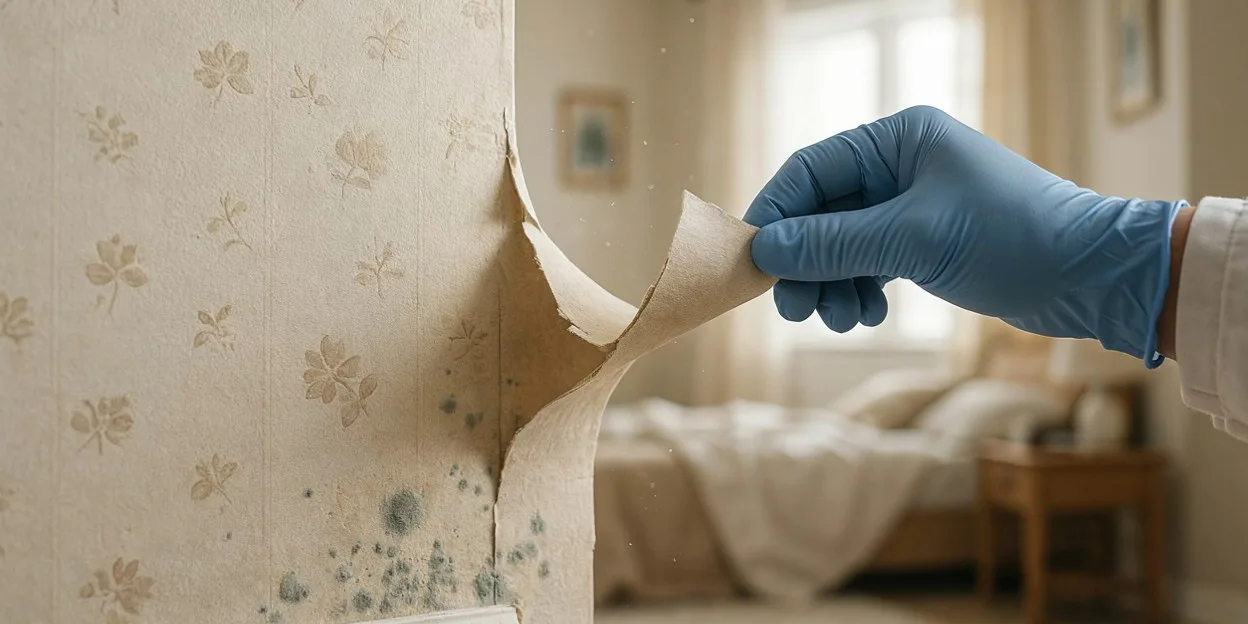
Plymouth is the small city at the mouth of the Shenandoah Valley, somewhere near 1,100 feet, where Highway 49 traffic turns east toward the wineries. Winter here means rain, fog, and mud rather than snow, and the ground around the older houses on the flat stays soft from December through March. The vineyards up the valley have brought tasting rooms, inns, and short-term rentals into what was a quiet farm town.
That rental trade is where a lot of the calls start. A guesthouse that hosts a different party every weekend and sits closed on weekdays builds up moisture that a full-time household would notice; the owner learns about it from a review. Our job is one handoff to an independent provider who covers the Shenandoah Valley, and it ends there.
Tasting-room cellars, guesthouse bathrooms, and fair-week rentals in Plymouth
A winery building with a below-grade barrel room has damp on purpose, and the trouble starts where that damp air leaks into the office or the wall behind the restroom. That is a mold odor removal job first, tracing which wall the cellar air is coming through. A guesthouse bathroom that has been used by forty parties and vented by none of them is a bathroom mold removal job that usually stops at the fan and the wall behind the shower. When a rental has been closed long enough that the smell hits you at the door and every closet shows a haze, the scope becomes whole-home mold remediation, and the listing comes down until it is done.
Rental houses fail in the room that gets used, not the room that gets seen, so ask the crew for readings from every bathroom.
The fairgrounds, the vineyards, and a small city's wet season
The Amador County Fair runs its summer week at the fairgrounds right in town, and every bed in Plymouth fills for it. Owners who rent for fair week open places shut since spring and find the problem the day before guests arrive. Inside city limits, the permit for putting a wall back goes through the City of Plymouth, and a contractor who works the valley knows the counter.
Pick up the phone and dial (209) 764-2249; tell us whether the building is a rental, a winery, or the house you live in, because the crew schedules each of those differently.
Services Available in Plymouth
Mold Removal
Sealed containment, negative air, and removal of the wet drywall, trim, and insulation behind a stain in a Kirkwood condo or a foothill home.
Black Mold Removal
Dark growth on a closet wall or under a window handled the same careful way as any other color: find the water, remove what is porous.
Whole-Home Mold Remediation
Room-by-room containment after a pipe split in an empty unit in January or a roof leak ran unseen through a whole ski season.
Attic Mold Remediation
Roof sheathing and insulation fouled by ice dams, warm-side condensation, or a bath fan venting into the attic, cleaned and dried under the snow line.
Bathroom Mold Removal
Growth behind a vanity, above a shower, or inside a wall fed by a weeping valve or a fan that never cleared the steam.
HVAC Mold Cleaning
Furnace cabinets, coils, ducts, and evaporative coolers cleaned when the musty smell arrives every time the blower kicks on.
Mold Odor Removal
Tracking a musty smell to the damp material producing it, removing that material, and treating the air so the smell does not return with the next thaw.
Mold Damage Repair
New drywall, trim, insulation, and subfloor installed once the framing reads dry and the leak that started it is closed.