Bathroom Mold Removal in Kirkwood, CA
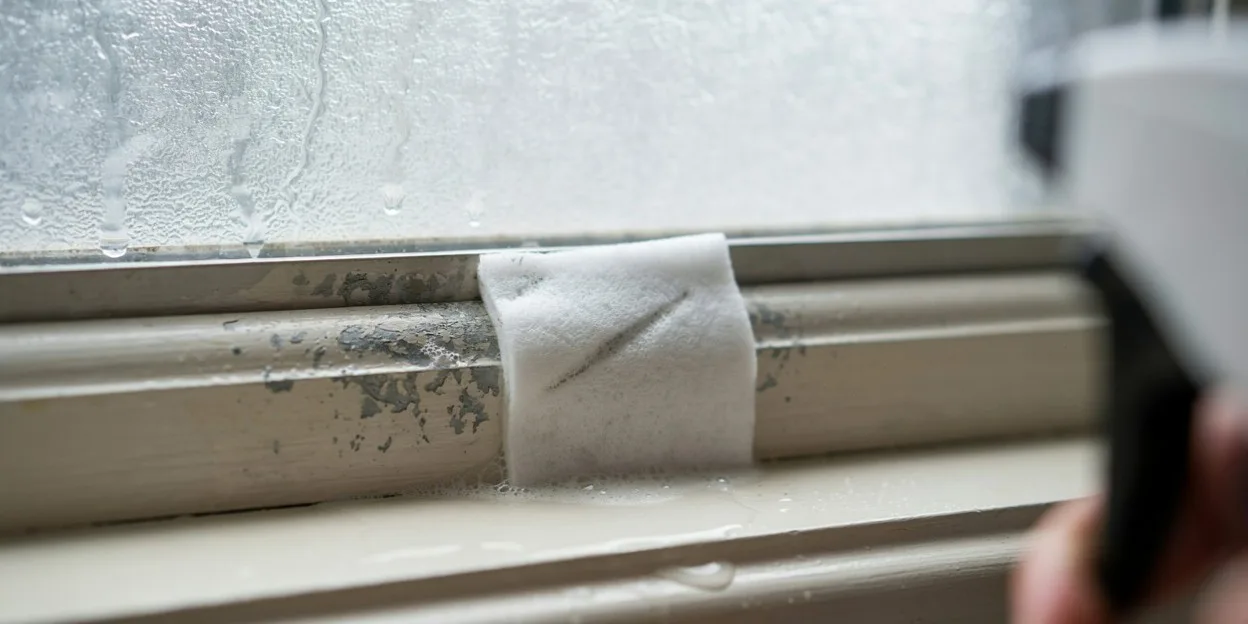
The shower ceiling that greets every new guest
You cleaned the dark patch above the shower before the Presidents' Day crowd arrived, and the housekeeper sent a photo of it again in March. Between bookings the unit sits at 50 degrees, then a family of five takes six hot showers in a bathroom the size of a closet, and the vapor has nowhere to go. The stain grows back because nothing about the room changed after you wiped it.
Tell us what you see on the ceiling, the grout, or the wall behind the toilet, and we pass the call to an independent provider who works Kirkwood and the counties below. The provider decides on the visit what comes out and what stays.
Where the steam actually goes in a 7,800-foot condo
The crew starts by running the fan and following the duct. In many of the older wood-frame rows at Kirkwood the bath fan blows into a joist bay or straight into the attic, so every shower dumps moisture inside the building. Next comes a moisture meter on the ceiling, the wall behind the tub spout, and the floor around the toilet flange. A weeping shutoff valve or a tub drain gasket that dries out during the empty months leaves the subfloor damp long before you see anything.
Only then does containment go up across the bathroom door. The readings decide the cut line, not the size of the stain.
Shut the water off and open the door
For the next hour, do three things. Close the angle stops under the sink and behind the toilet if you suspect a drip, and take a photo of the stain with a light on it. Open the bathroom door and a window if the weather allows, so the room starts drying. Do not spray bleach on the ceiling; the growth sits inside the drywall paper, and the surface just turns lighter for a few weeks.
If the ceiling below an upstairs bathroom is soft or stained, say so on the call, because the visit then covers both rooms.
Which parts of a wet bathroom get replaced and which get cleaned
Wet drywall and greenboard come out, along with any insulation behind them and any swollen particleboard vanity base. Tile on a cement board backer often stays, cleaned and dried, if the meter shows the board is sound. Solid framing and subfloor plywood get cleaned and dried in place unless they are punky or delaminated.
The source gets its own line in the scope. That may be a fan ducted through the roof or a gable, a new valve or drain gasket, or a caulk joint reset where the tub meets the tile. Removing the growth without one of those fixes buys you a few bookings, not a season. If the fan has been pushing steam into the attic for years, attic mold remediation usually follows.
Rental condos at the pass versus foothill houses on Highway 50
In a Kirkwood unit the challenge is space and shared walls. Containment takes over most of a small condo, and the plumbing wall often backs onto the neighbor's bathroom, so the crew's readings tell the HOA which side the water came from.
Down the hill in Placerville, Cameron Park, and El Dorado Hills the pattern is a two-story house with an upstairs tub leaking into a downstairs ceiling, or a hall bath fan that ends in the attic insulation. When the ceiling below has to open, the job often turns into mold damage repair once the wood is dry, and any structural or plumbing changes go through the county building department. California has no mold-specific license; the contractor who does the work carries a state license you can look up, and if you want samples taken, that is a testing company you hire on your own.
Tell us what the ceiling looks like today
Call (209) 764-2249 and say whether the bathroom has a fan, where the fan blows, and whether the unit has been sitting empty. If the smell hangs around after the work, mold odor removal traces what is still producing it.